Popular Searches:
Recommended Posts



Search Results


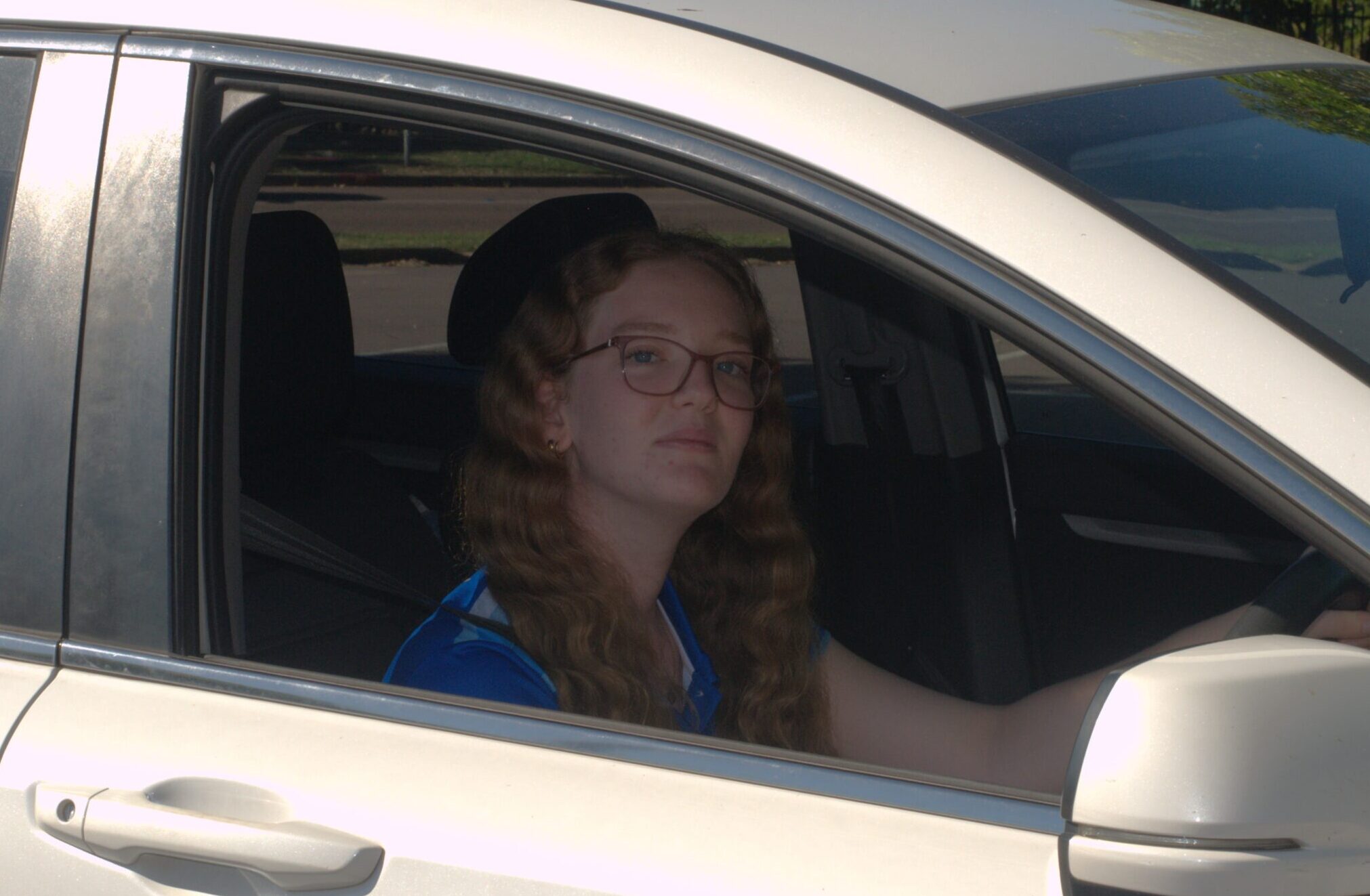
At just 17, Hannah Baczynski is no stranger to the roads. Since getting her provisional licence a year ago, she has been driving herself to work at the Darwin CBD from her Palmerston home, with each round trip taking more than 40 kilometres.
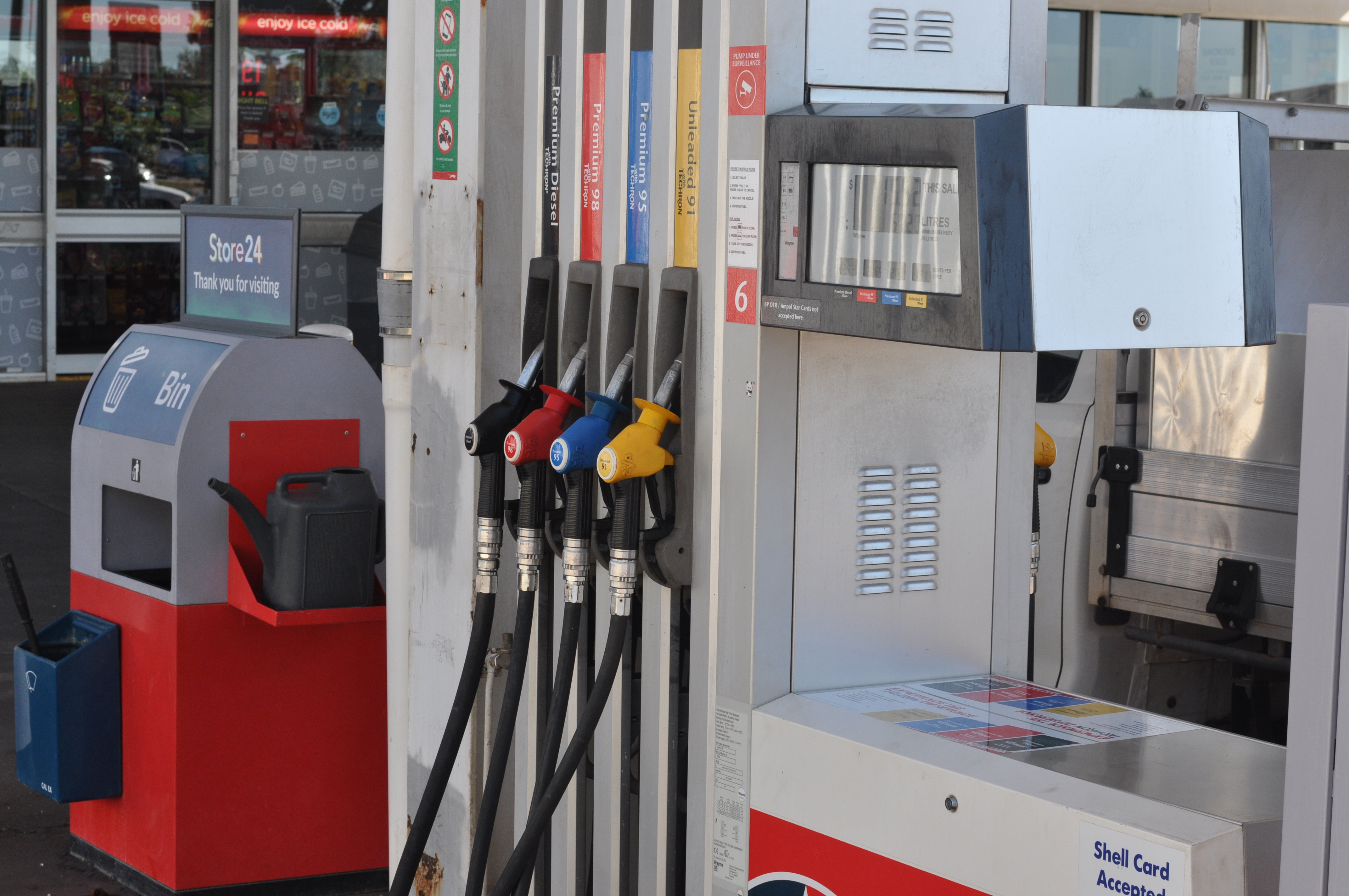
But now, that trip is getting more expensive than ever. Since the closure of the Strait of Hormuz in the Middle East, the global fuel supply has been facing shortage while average petrol prices in Australia rose to more than double.
“The main thing is just how expensive [petrol] has gotten and how difficult it is to afford filling up your car on top of what we already have to pay for,” Hannah said.
For Hannah’s friend Victoria, life is even harder living on the outskirts of the Greater Darwin Area. As a resident of Berry Springs, Victoria has to get up each morning and drive over 50 kilometres just to get to school. For the year 12 student, filling up her car can cost up to 90 dollars each week.
And with rising living costs comes rising pressures for students juggling multiple commitments on top of school. For Hannah, the stress is mounting as she now has to decide whether she should take up more shifts at her casual job just to make up for the rising fuel costs.
“We still have to deal with having quite low wages, and now this big expense… [there’s] just that extra pressure,” she said.
With oil prices still far from returning to the levels before the war in Iran, many Australians are turning to public transport to get around. In Victoria, public transport has been made free until the end of May. And in Tasmania, public transport will be free until the end of June in response to rising fuel costs.
Meanwhile in the Northern Territory, all buses have been made free since last year as part of the Government’s campaign to reduce conflict on public transport.
But for Hannah and her friends who witnessed many anti-social behaviours and fights breaking out on buses, it is hard to feel safe on public transport.
“It’s scary, I can’t sit there with my headphones in because I’m always on alert, seeing what everyone else is doing… It’s not a safe place for any young person to be in, but especially young girls to be in,” said Hannah.
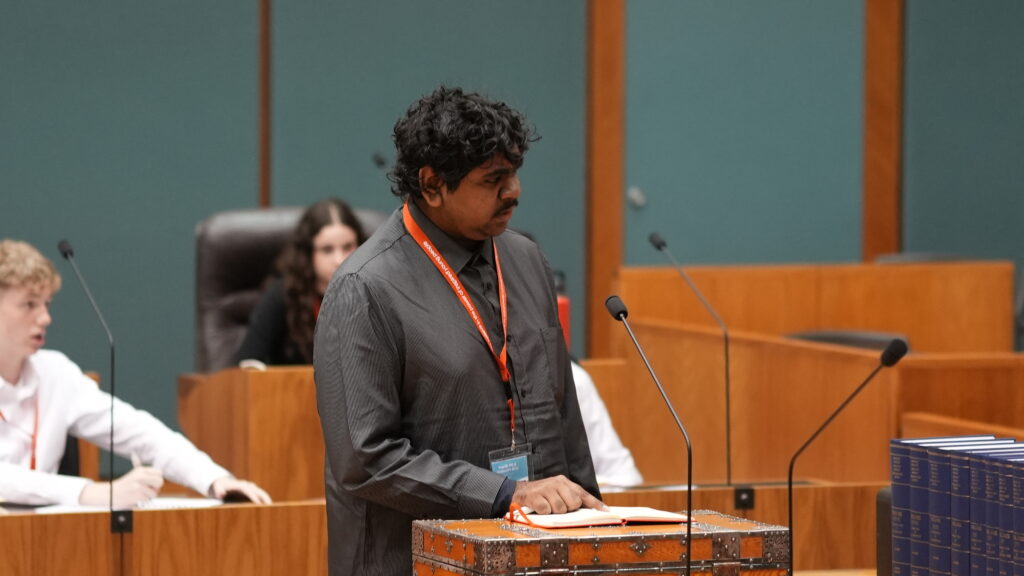
Lyle Markham is a youth advocate in the Northern Territory. As a former resident of Berry Springs, he has dedicated his advocacy work to raising awareness about the need for more transportation options for young people.

Last year, as part of the NT Youth Round Table, Lyle centred his end-of-year presentation on a survey he conducted, which asked 177 young people about their experiences with public transport.
“This isn’t just about getting from point A to point B, it’s about connection. Without reliable transport, young people miss out on school, work, sport, and community activities. They become isolated, and their ability to participate in society is limited,” he said in his presentation last year.
More than 55% of the young people Lyle surveyed said they feel unsafe on public transport, with the main contributing factors being poor lighting, anti-social behaviours and overcrowding.
In response to rising concerns about public transport safety, the Northern Territory Country Liberal Party (CLP) Government has introduced new policies that saw bus interchanges scrapped, and officers armed with guns will soon be patrolling the bus network.
These officers, known as police public safety officers (PPSO), are set to begin patrolling in June following an 18-week training program. But the policy has attracted controversy since its announcement last year, with community groups in the Northern Territory warning that the policy could result in more deaths in custody.
In an interview with Guardian Australia in April, CEO of the North Australian Aboriginal Justice Agency (NAAJA) Ben Grimes, said that there is ‘no evidence’ to support the introduction of armed officers on public transport.
After first hearing about the policy from the interview, Hannah said she was ‘shocked’ by the measure she said was ‘extreme’.
“There’s so many risks that come with that,” she said, “now you’re just installing fear rather than addressing [anti-social behaviours] at the root cause.”
For Lyle, more consultation with young people and the broader community should take priority when it comes to improving public transport.
“[The Government needs to] involve young people directly through surveys, workshops, and co-design sessions… and consult the community.” He said.
But before these changes to public transport can take place, Hannah said she wants to see more being done to help young people directly during the fuel crisis.
“Whether it’s a student discount [for fuel] or support systems within schools…. What young people need is just that support and being told that ‘yeah we understand that’.”
Until real changes are made, however, young drivers like Hannah will continue to watch anxiously as the numbers go up on the bowser.